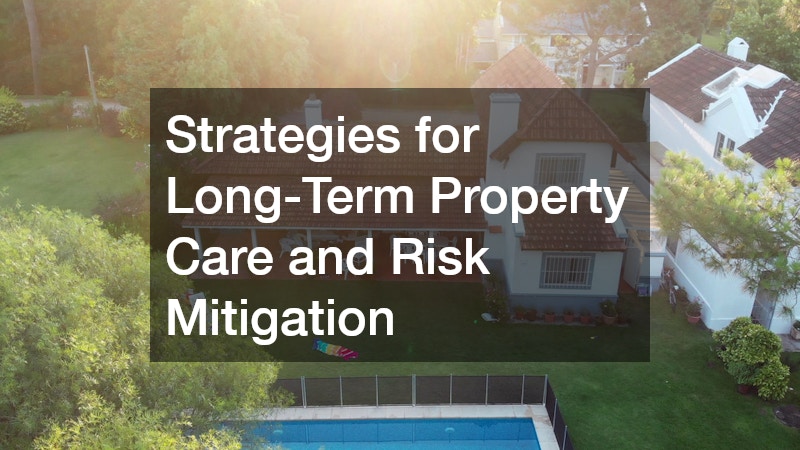
Owning a property is both a privilege and a responsibility. Whether it is a residential home, commercial building, or historical estate, maintaining the integrity and value of the property requires more than occasional repairs. Long-term property care involves a combination of preventive maintenance, risk assessment, financial planning, and professional consultation. Without a structured approach, small problems can escalate into significant issues, leading to costly repairs, safety hazards, and reduced property value.
One of the key elements of effective property management is proactive risk mitigation. This includes preparing for environmental challenges, such as severe weather or water damage, as well as addressing human-related risks, including construction errors or improper maintenance. By taking a systematic approach, property owners can identify vulnerabilities early, prioritize interventions, and protect both the physical structure and financial investment over time. Routine inspections, preventive maintenance, and professional oversight are essential components of this strategy.
A comprehensive property care strategy also integrates long-term planning and coordination. Proper budgeting for maintenance, understanding insurance implications, and planning for future contingencies are essential to sustain the property’s value. Similarly, coordinating with qualified contractors and specialists ensures that work is performed safely, effectively, and in compliance with industry standards. This guide will explore practical strategies that property owners can implement to safeguard their investments while maximizing safety, durability, and efficiency.
Conduct Thorough Site Assessments
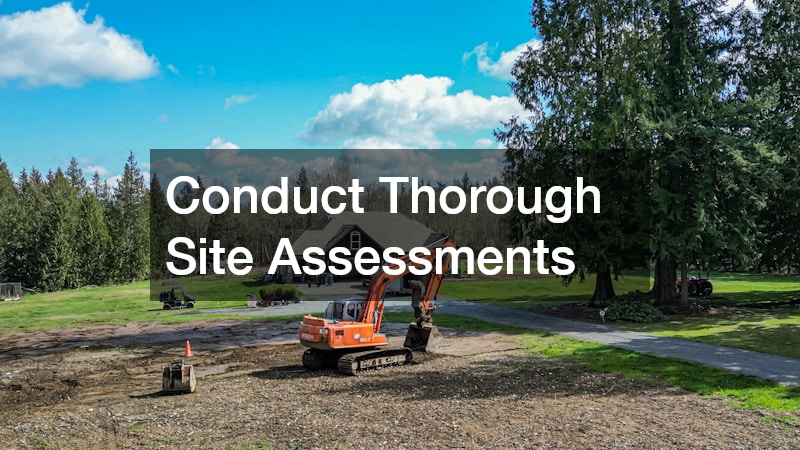
A comprehensive assessment of the property is the foundation for effective maintenance and risk mitigation. Evaluating the site helps identify potential hazards, structural weaknesses, and environmental challenges before they escalate into serious problems.
Professional excavating companies are invaluable for this process. They can analyze soil composition, identify areas prone to erosion or subsidence, and ensure that grading supports proper drainage. Excavation specialists can also uncover hidden issues, such as buried debris or old infrastructure that could compromise stability. Addressing these early minimizes risks to both structures and landscaping.
In some cases, accessing elevated areas safely requires specialized equipment. Crane rentals provide the means to inspect roofs, large installations, or tall structures without putting personnel at risk. They allow contractors to lift heavy materials safely for repairs or modifications, ensuring that structural assessments are thorough and accurate.
Key steps for site assessments include:
- Conducting a detailed inspection of the land, foundations, and surrounding areas.
- Identifying potential drainage issues or water retention zones.
- Consulting with excavation professionals for grading or soil stabilization.
- Using cranes or specialized equipment to inspect difficult-to-reach structures.
- Documenting findings and creating a prioritized maintenance plan.
A well-executed site assessment not only addresses immediate concerns but also sets the stage for long-term planning. It informs maintenance schedules, helps allocate budgets wisely, and reduces the likelihood of unexpected structural or environmental damage.
Implement Effective Storm Preparedness Plans
Severe weather events can have devastating effects on properties, making storm preparedness a crucial component of long-term care. Planning ahead reduces both damage and associated costs, while also protecting occupants and staff.
Start by evaluating the property’s vulnerability to high winds, heavy rain, and flooding. Reinforce roofs, windows, and doors, and consider installing storm shutters or barriers. Ensure that drainage systems are clear and functional to prevent water accumulation. Regular maintenance of gutters, downspouts, and surrounding landscaping can reduce the risk of storm damage.
Properties located in flood-prone areas require additional precautions. Flood damage can compromise foundations, destroy landscaping, and damage personal and commercial assets. Installing retention ponds, swales, or proper grading helps direct water away from vulnerable areas. Emergency pumps and waterproof barriers can be employed to protect critical structures.
Storm preparedness best practices:
- Maintain clear and functional drainage systems.
- Inspect roofs, siding, and windows for potential weaknesses.
- Develop an emergency response plan for occupants and staff.
- Stock essential supplies such as pumps, sandbags, and protective materials.
- Schedule routine inspections after major weather events.
By proactively addressing storm-related risks, property owners reduce the potential for costly repairs and maintain the property’s long-term stability. Preparing for storms also improves safety, ensuring that both people and structures remain protected.
Maintain Structural Integrity
Long-term property care requires ongoing attention to structural elements. Even small cracks or minor wear can worsen over time, compromising safety and increasing repair costs. Regular inspections and timely maintenance are essential to preserve the integrity of walls, foundations, chimneys, and other critical components.
Working with a masonry company guarantees that repairs are performed correctly using appropriate materials and techniques. These professionals can reinforce weak areas, repair damage, and advise on long-term maintenance schedules. Routine inspections help identify early signs of stress, such as hairline cracks, water intrusion, or settling, which could indicate deeper structural issues.
Tips for maintaining structural integrity:
- Schedule periodic inspections of all load-bearing elements.
- Address cracks and deterioration immediately to prevent escalation.
- Use durable, high-quality materials for any repairs.
- Implement moisture control measures to protect masonry and foundations.
- Document repairs and monitor areas over time for recurring issues.
Maintaining structural integrity is not just about safety; it also preserves property value. Consistently monitoring and addressing potential weaknesses ensures that the property remains sound, functional, and attractive for decades.
Preserve Historical and Decorative Assets

Properties often include decorative features, sculptures, or historical elements that require specialized care. Preserving these assets enhances the property’s aesthetic value and ensures that historical or artistic significance is maintained for future generations.
Statue restoration experts provide professional evaluation and maintenance of outdoor and indoor monuments. These specialists assess weathering, material degradation, and structural stability to develop restoration plans. Regular maintenance, including cleaning, sealing, and protective treatments, prevents deterioration and extends the life of decorative elements.
Best practices for asset preservation:
- Conduct visual and structural inspections regularly.
- Collaborate with restoration professionals for cleaning and repairs.
- Apply protective coatings to prevent weather and environmental damage.
- Document changes and maintenance activities for long-term tracking.
- Integrate preservation into the overall property maintenance schedule.
Protecting these assets not only safeguards beauty but also reduces potential repair costs. With proper planning and professional guidance, decorative and historical elements can be enjoyed for generations without compromising the property’s overall condition.
Develop an Integrated Pest and Environmental Control Plan
Pest management is an essential, yet often overlooked, aspect of property care. Mosquitoes, insects, and other pests can cause health risks and structural damage if not properly controlled.
Mosquito control programs combine environmental management and targeted treatments. Eliminating standing water, maintaining landscaping, and using eco-friendly solutions help reduce mosquito populations. Preventive measures are particularly important in areas prone to flooding or heavy rainfall, where stagnant water provides breeding grounds.
Integrated pest control strategies:
- Inspect and eliminate standing water sources regularly.
- Use natural predators or safe chemical treatments as needed.
- Maintain landscaping to reduce pest habitats.
- Schedule regular monitoring and follow-up treatments.
- Educate staff and occupants about preventive practices.
By integrating pest control into regular maintenance, property owners protect both the health of occupants and the structural integrity of the property. This approach also contributes to a more comfortable and enjoyable environment.
Invest in Custom Safety Solutions
Ensuring the safety of personnel and visitors is a critical component of long-term property care. Safety programs reduce liability, prevent accidents, and create a culture of responsibility across all maintenance and operational activities.
Custom safety apparel provides tailored solutions for specific property needs. From protective clothing for maintenance staff to specialized gear for high-risk areas, the right equipment helps prevent injuries and ensures compliance with safety standards. Training programs should accompany safety apparel to ensure correct and consistent usage.
Safety program best practices:
- Conduct risk assessments to identify areas requiring specialized gear.
- Invest in durable, ergonomically designed apparel for staff.
- Establish clear protocols for high-risk operations.
- Conduct regular training and safety drills.
- Monitor and update safety equipment as standards evolve.
Prioritizing safety helps maintain operational efficiency while protecting the property and its occupants from avoidable incidents.
Protect Property Through Financial Planning
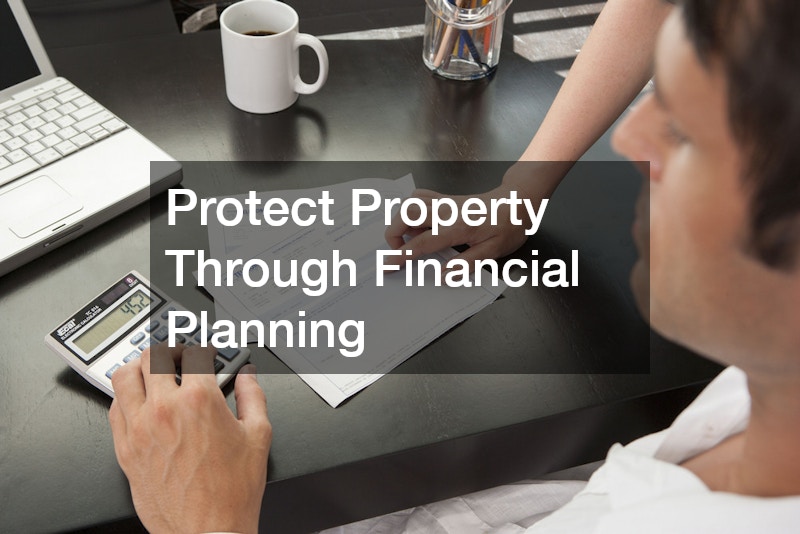
Long-term property care extends beyond physical maintenance to include financial management. Engaging a certified public accountant can help property owners optimize budgets, plan for taxes, and ensure compliance with financial regulations.
Estate planning also plays a critical role in preserving property assets. Proper planning ensures that properties are protected for heirs or transferred according to the owner’s wishes. It integrates with maintenance budgets, insurance considerations, and long-term investment strategies to sustain the property’s value over time.
Financial strategies for property owners:
- Consult a certified public accountant for tax and financial advice.
- Establish an estate plan to protect assets.
- Allocate funds for routine and emergency maintenance.
- Consider insurance coverage for environmental and structural risks.
- Monitor expenses and adjust budgets as needed.
Combining financial planning with physical maintenance creates a comprehensive approach to long-term property management. It ensures that resources are available when needed and that the property remains a sound investment.
Optimize Grounds and Landscaping for Risk Reduction
Proper landscaping and site management contribute significantly to property protection. Well-designed grounds reduce erosion, improve drainage, and minimize the risk of water-related damage. Excavating companies can assist with grading and installing drainage systems to manage water flow effectively.
Flood damage is a major risk in many regions, and landscaping strategies play a vital role in prevention. Retention systems, swales, and properly contoured soil help direct water away from foundations and critical structures. Regular maintenance of plantings, trees, and soil stability also reduces long-term risk.
Landscaping and site optimization tips:
- Work with professionals to assess grading and drainage needs.
- Install retention systems to prevent flooding.
- Maintain soil and vegetation to reduce erosion.
- Inspect and repair irrigation systems regularly.
- Integrate landscape management into routine property care schedules.
Properly managed grounds protect the property from environmental hazards while enhancing visual appeal and usability.
Plan for Construction and Renovation Safety
Construction and renovation projects, while often necessary, introduce risks that require careful planning. Coordinating with crane rentals ensures that heavy lifting operations are conducted safely and efficiently. Cranes allow contractors to move materials without endangering personnel or property.
Working with a masonry company is essential for structural renovations or repairs. Professionals can guide material selection, ensure compliance with building codes, and supervise work to maintain long-term stability.
Construction and renovation safety practices:
- Develop a detailed project plan with clear safety protocols.
- Schedule crane operations and heavy lifts under professional supervision.
- Ensure masonry work meets structural and safety standards.
- Monitor progress and inspect completed work for compliance.
- Educate workers on proper safety and equipment usage.
By integrating safety planning with professional oversight, property owners can complete necessary upgrades while minimizing risk to people and the property itself.
Schedule Regular Inspections and Preventive Maintenance
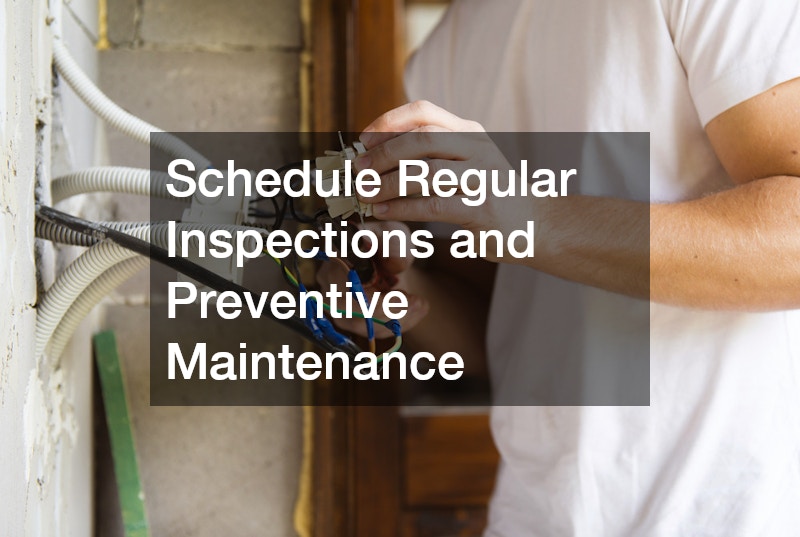
Routine inspections and preventive maintenance are the backbone of long-term property care. Scheduling regular checks for all aspects of the property helps identify small issues before they become major problems. Statue restoration specialists can assess decorative elements, while mosquito control measures address environmental risks simultaneously.
Best practices for preventive maintenance:
- Maintain a regular inspection schedule for structural and decorative elements.
- Document repairs, improvements, and observations for future reference.
- Combine pest management and restoration work for efficiency.
- Address minor issues immediately to prevent escalation.
- Adjust maintenance plans based on seasonal and environmental conditions.
Consistent preventive measures reduce costs, extend the life of property features, and ensure a safe and well-maintained environment.
Long-term property care and risk mitigation require a holistic approach that balances physical maintenance, safety, environmental management, and financial planning. Property owners who take a proactive stance can prevent minor issues from escalating into major problems, protect occupants, and preserve the property’s value over decades. Implementing thoughtful strategies ensures that both immediate concerns and long-term vulnerabilities are addressed in a systematic and sustainable way.
By incorporating regular inspections, preventive maintenance, and professional oversight, property owners can protect their structures from environmental and operational risks. Planning for storm events, water management, pest control, and structural upkeep not only safeguards the property but also enhances its functionality and aesthetic appeal. Effective property management is an ongoing process that requires attention to detail, foresight, and coordination with skilled professionals.
Ultimately, a comprehensive property care plan ensures that investments are preserved and enhanced over time. By integrating proactive maintenance, safety measures, environmental management, and financial planning, property owners create a sustainable framework that supports long-term value, usability, and safety. A well-maintained property is not only an asset but also a legacy that can serve generations while minimizing unexpected costs and challenges.